
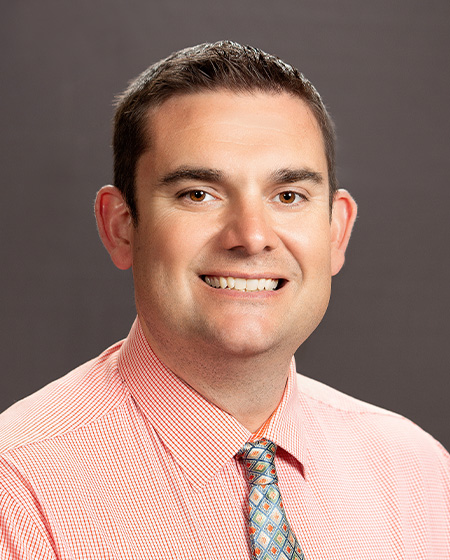
In my practice here in Sullivan, I often tell my patients that the best kind of medicine is the kind that keeps you from getting sick in the first place. When it comes to colorectal cancer, we have a unique and powerful tool that doesn’t just find cancer—it can actually prevent it. That tool is the colonoscopy.
Colorectal cancer is currently the second leading cause of cancer-related deaths in the United States. This is a sobering statistic, especially because this disease is highly preventable. Most colorectal cancers begin as small growths called polyps. Over several years, these polyps can turn into cancer. During a colonoscopy, we can find and remove these polyps before they ever have a chance to become malignant.
When Should You Start?
One of the most important updates in recent years involves when to start screening. Based on guidelines from the U.S. Preventive Services Task Force (USPSTF), adults at average risk should begin colorectal cancer screenings at age 45.
If you have a family history of colorectal cancer or certain inflammatory bowel conditions, we may recommend starting even earlier. For most patients, if the initial colonoscopy is clear, you won’t need another one for ten years. However, this isn’t a “one size fits all” rule; your personal health history determines the right schedule for you.
Colonoscopy vs. Fecal Tests (Like Cologuard)
I frequently get asked about stool-based tests, such as Cologuard or FIT (Fecal Immunochemical Test). These are non-invasive options that look for DNA changes or blood in the stool. While these tests are certainly better than no screening at all, it is important to understand how they differ from a colonoscopy.
- Detection vs. Prevention: Stool tests are designed to detect signs that cancer might already be present. A colonoscopy is a “one-step” procedure that allows me to both detect and prevent cancer by removing polyps during the same appointment.
- Accuracy and Follow-up: Fecal tests have a higher rate of “false positives” and “false negatives.” If a stool test comes back positive, the next step is always a diagnostic colonoscopy. By starting with a colonoscopy, you are choosing the “gold standard” of care.
The Bottom Line
I understand that the preparation for a colonoscopy isn’t anyone’s favorite weekend activity. However, that one day of preparation provides ten years of peace of mind. It is a relatively short procedure that remains our most effective weapon against a very treatable disease.
Take Action Today
Your health is your greatest asset. Don’t wait for symptoms like pain or changes in habits to appear—by then, the window for prevention may have closed.
I encourage you to schedule an appointment with your primary care provider at Sullivan County Community Hospital soon. We can talk through your specific risk factors, review your annual lab work, and ensure you are up to date on all your preventive screenings. Whether it is a colonoscopy, blood pressure check, or diabetes screening, we are here to help you live a long, healthy life.
________________________________________
Dustin Ellis, MD Family Physician